
If you’ve ever stood in your kitchen wondering whether you should knock down a wall or put one back up, you’re part of a centuries-long story. The way we divide our living spaces has always reflected our culture, our technology, and even our values. The journey from the one-room home to the “open concept” craze—and our modern swing back toward walls—tells us a surprising amount about how people live, work, and socialize.
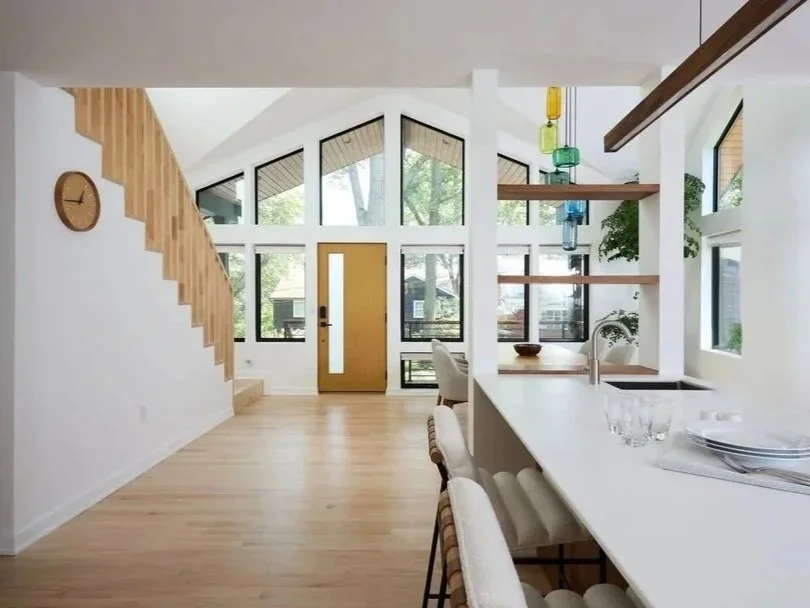
Open concept on the first floor…private offices and bedrooms above and below
Let’s take a walk through that history.
When Home Was One Room (and the Fireplace Was Everything)
In early colonial America and much of Europe, the typical dwelling was a single room: one big multipurpose space for cooking, eating, working, and sleeping. The fireplace wasn’t just a cozy focal point—it was essential for survival. Heat, light, and the ability to cook all radiated from that single hearth.
Because life revolved around that fire, there was no need (and usually no resources) for separate rooms. Families lived communally, often sleeping in the same space for warmth. Privacy was not an expectation—it was a luxury.
Walls weren’t just unnecessary—they were impractical.
Rooms as a Symbol of Wealth and Refinement
As societies grew wealthier and building techniques advanced, the idea of separate rooms became a powerful indicator of status.
By the 18th and 19th centuries, the layout of a home could speak to the class of the family who lived there:
Parlors for receiving guests
Dining rooms for formal meals
Separate kitchens tucked away from entertaining areas
Bedrooms upstairs, divided by age, gender, and social role
Rooms communicated hierarchy. They conveyed propriety, order, and sophistication. The more rooms you had—and the more specific their function—the more elevated your household was perceived to be.
Privacy, once unobtainable, became highly desirable.
The 20th Century: Walls Come Down, and the "Open Concept" Is Born
Fast-forward to the 1950s and 60s: modernism, suburban expansion, and changing family dynamics collided. New construction materials made it easier to span larger interior spaces without load-bearing walls. Meanwhile, families were becoming more casual. The kitchen, once hidden from guests, became a social hub.
Architects like Frank Lloyd Wright championed flowing, open interiors, and soon the “open concept” made its way into mainstream homebuilding.
By the late 20th century, an open floor plan signaled modernity and freedom. Real estate listings bragged about it. HGTV made it doctrine.
Walls were out; great rooms were in….then the Pandemic of 2020 happened and people were forced into closets and even their bathrooms to take zoom calls in private.
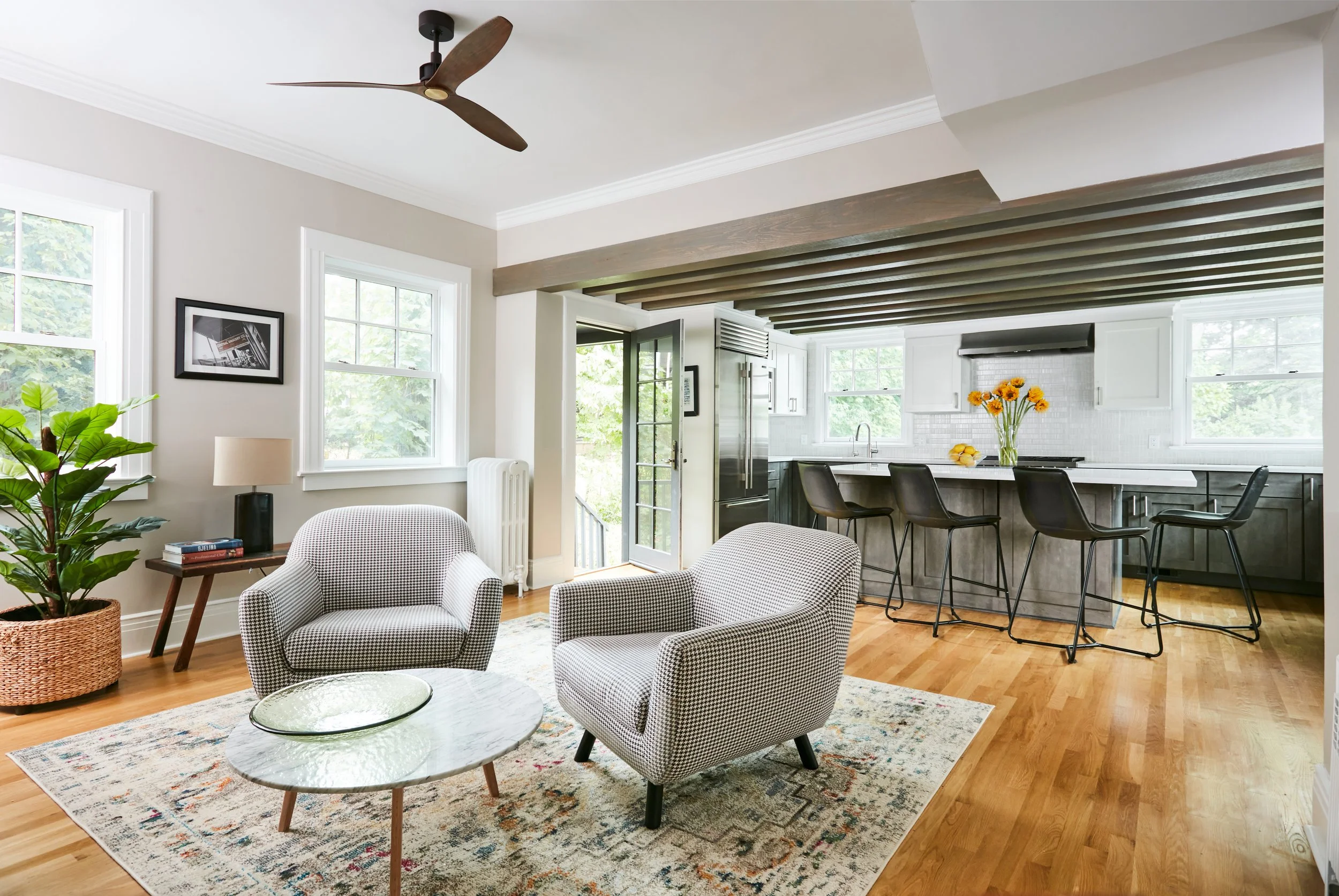
Open…How open?…
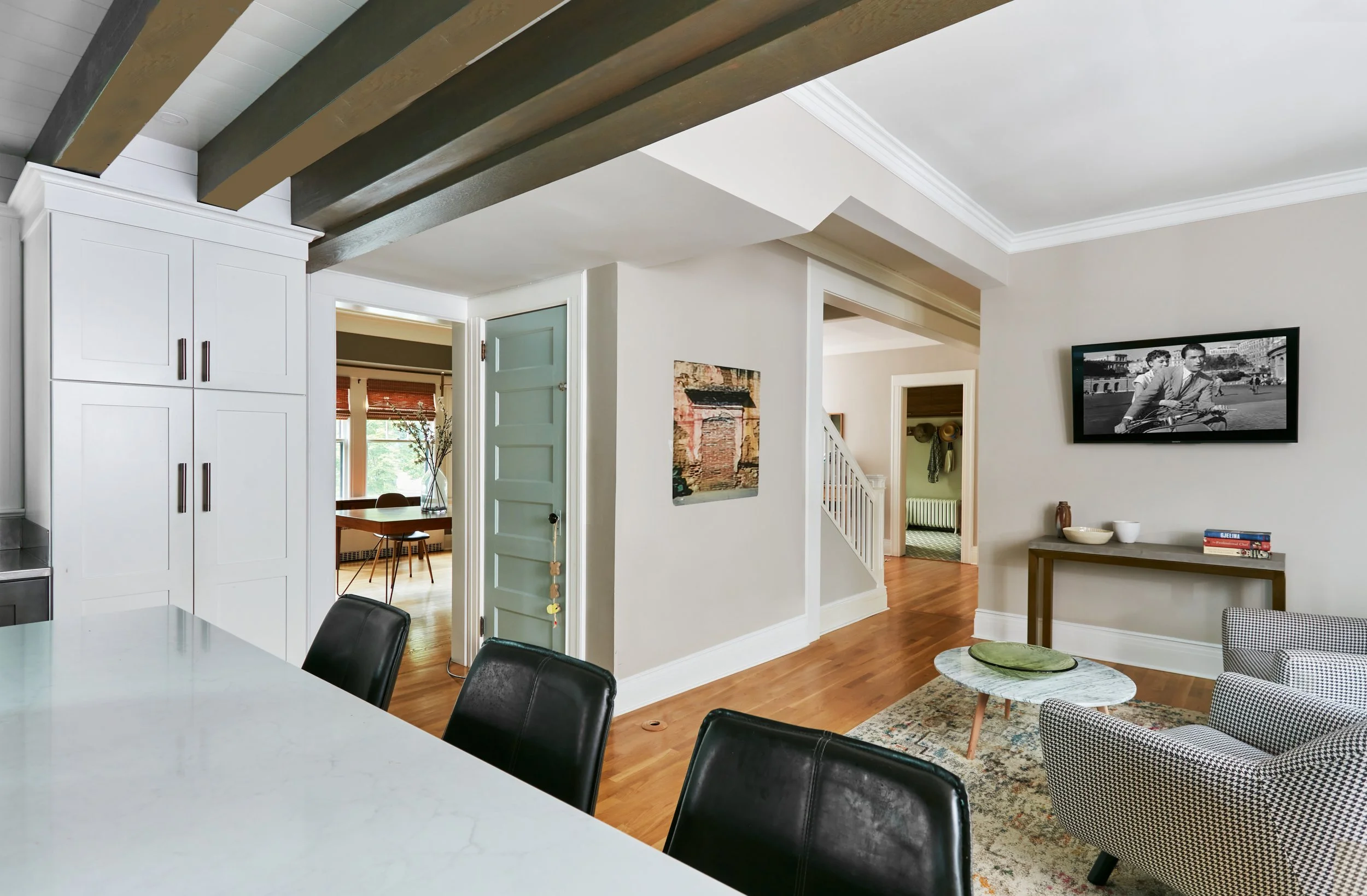
Maintaining a formal dining room …but also gaining a “coffee clutch” area.
Today: The Return of the Wall
And now? The pendulum is swinging again.
The work-from-home era revealed what open plans were missing:
Quiet
Boundaries
Privacy
Separation of work and living
Spaces with distinct atmosphere and purpose
Suddenly, people wanted walls back—or at least some version of division. Guest bedrooms doubled as offices. Dining rooms reemerged. Pocket doors, room dividers, and cozy “snugs” appeared in trend lists.
Open concept isn’t dead, but it’s evolving. Where we once prized openness at all costs, homeowners now seek flexibility—spaces that can open up and close down as needed.
Full Circle—With Options
If the history of home design tells us anything, it’s that our spaces shift with our needs. We started with one room because that’s all we could build. Then we built many rooms because we could—and because they meant something. Later we tore walls down to foster connection. Now we’re searching for a balance.
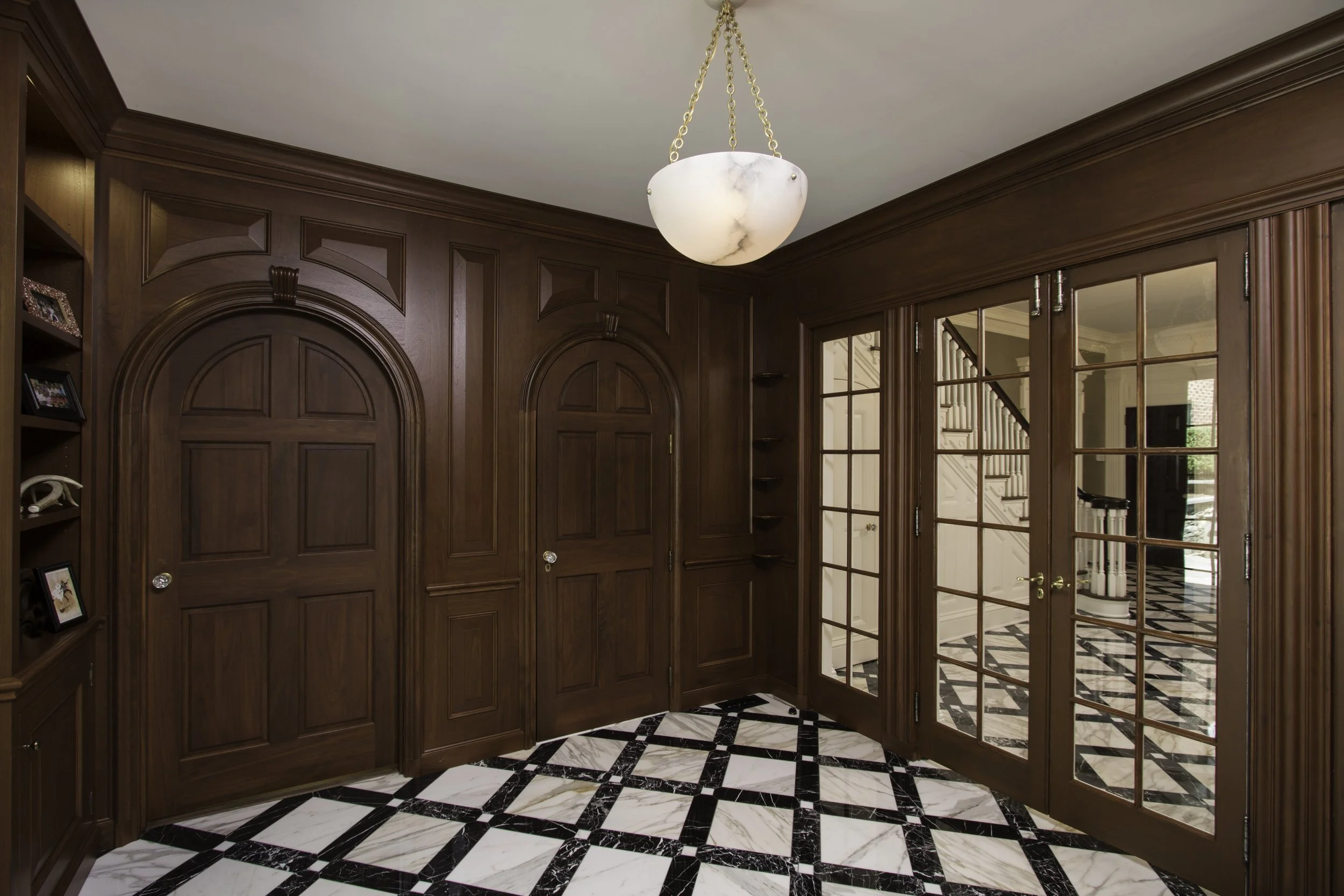
Rooms with Doors for Formal living and rooms for specific uses.
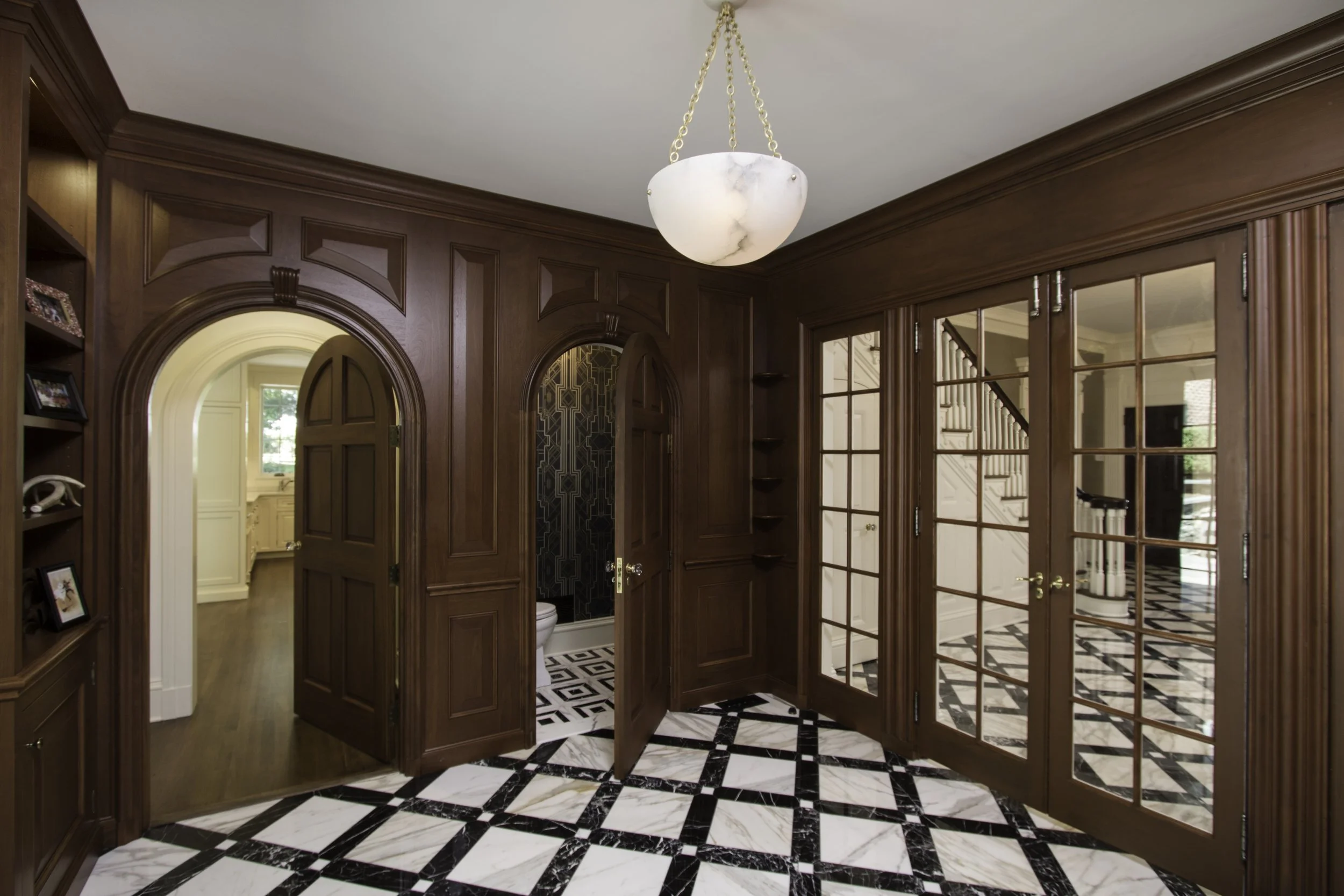
Rooms with Doors for formal living and privacy
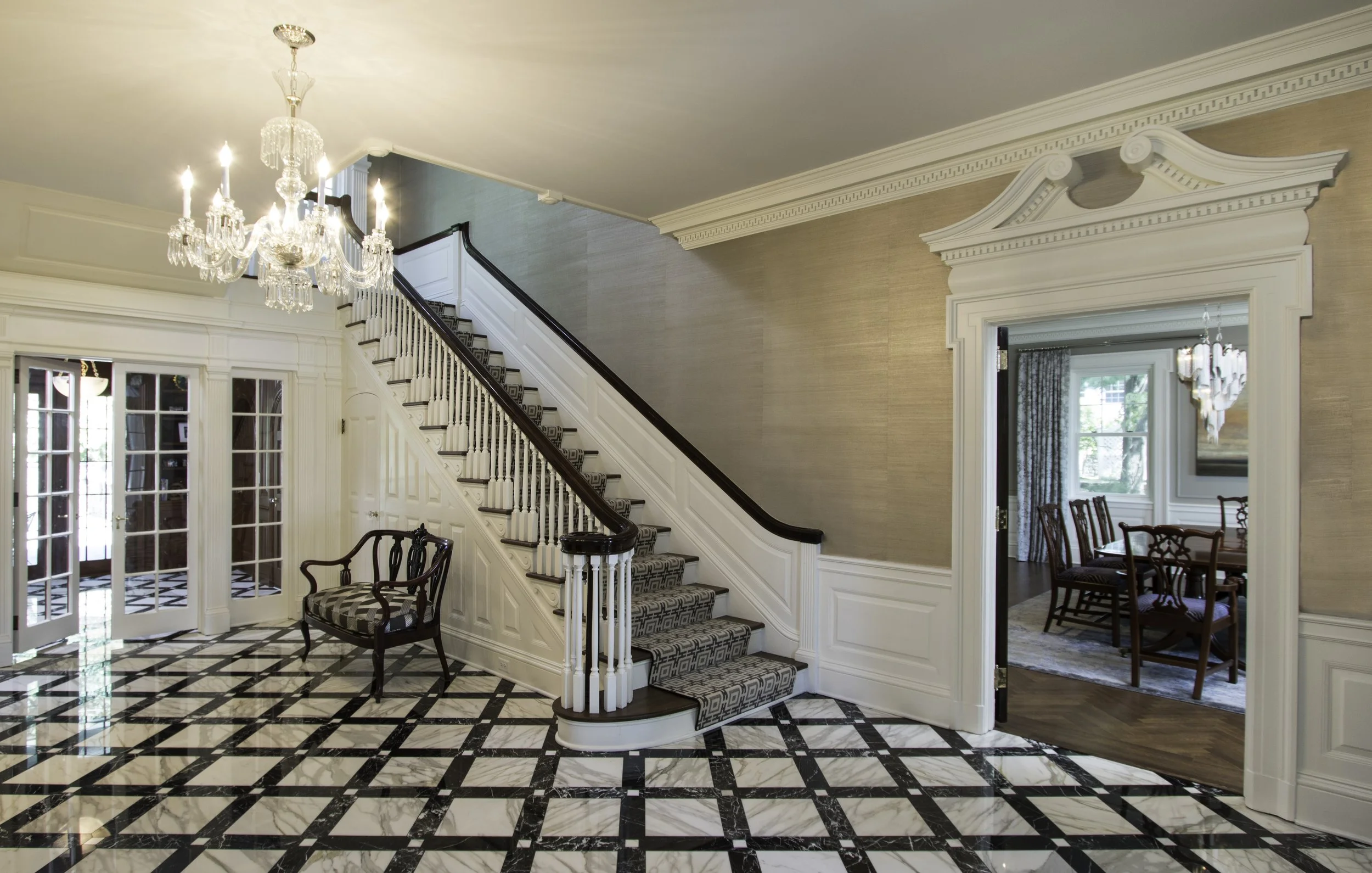
Formal Center Hall Colonial with doors. Foyer, Dining Room
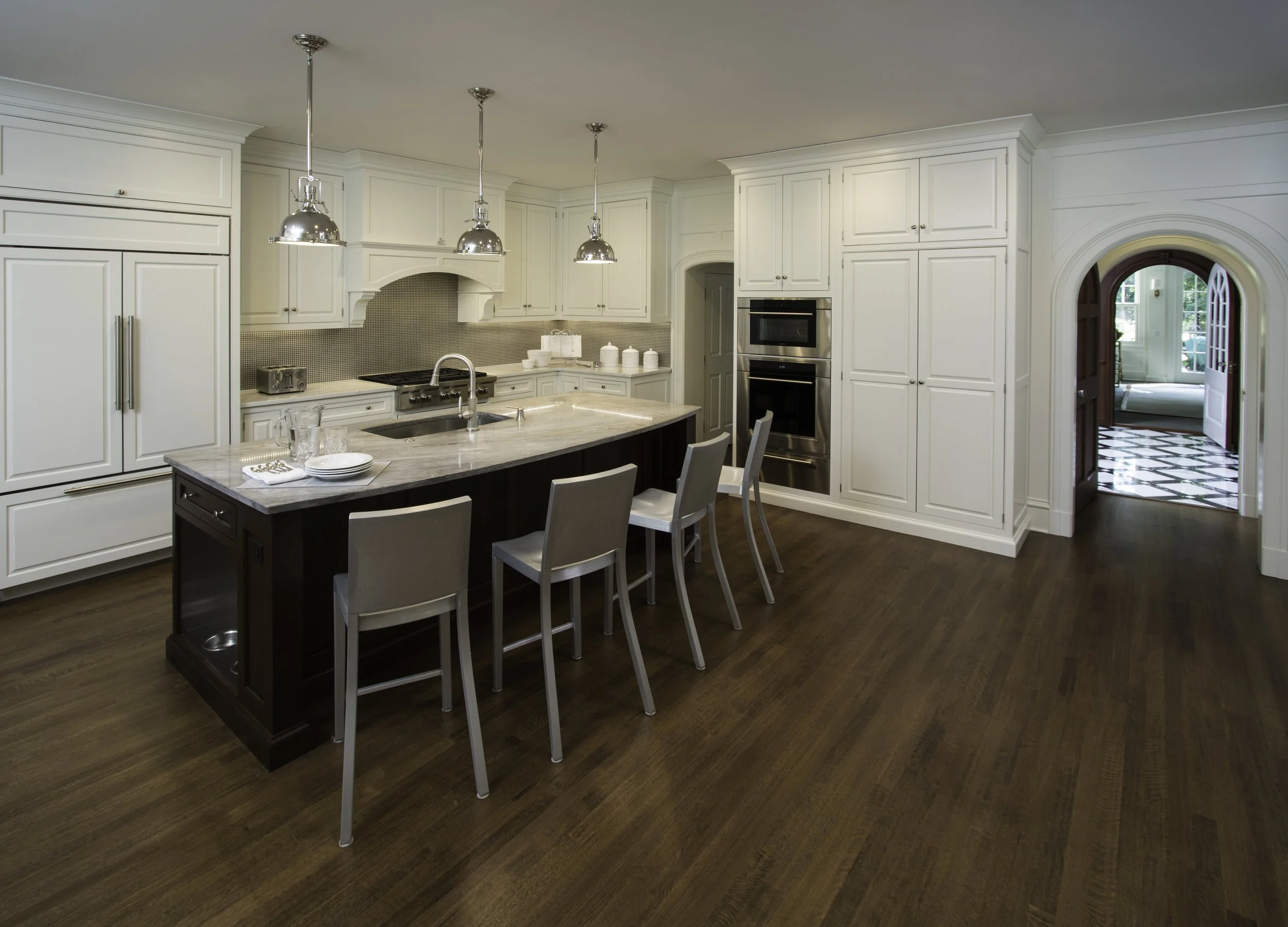
First floor with separate rooms
Walls or no walls? Doors or No doors?
It’s no longer a matter of trend—it’s a matter of how we live.
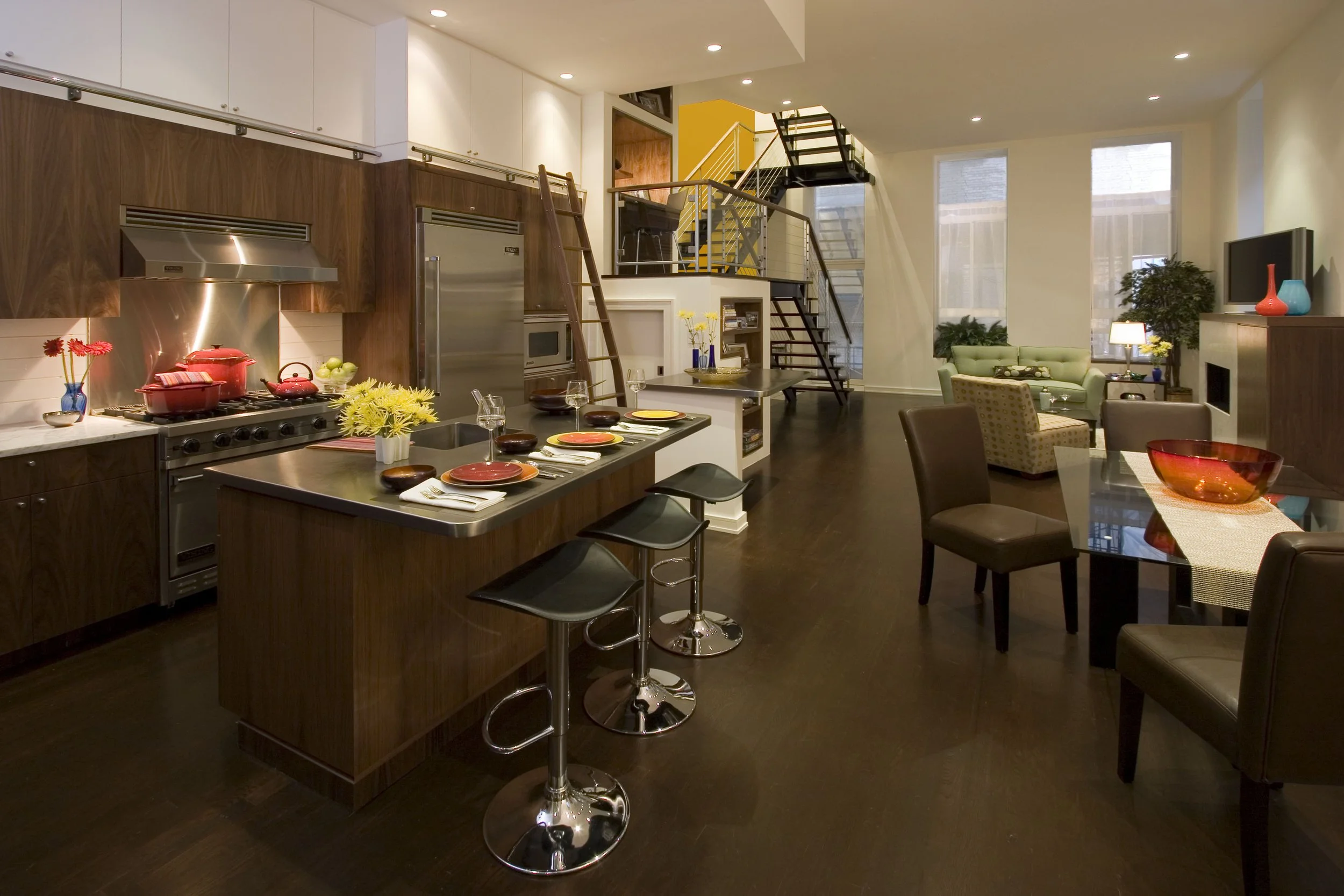
Greenwich Village Loft — no walls with furniture defining the spaces.
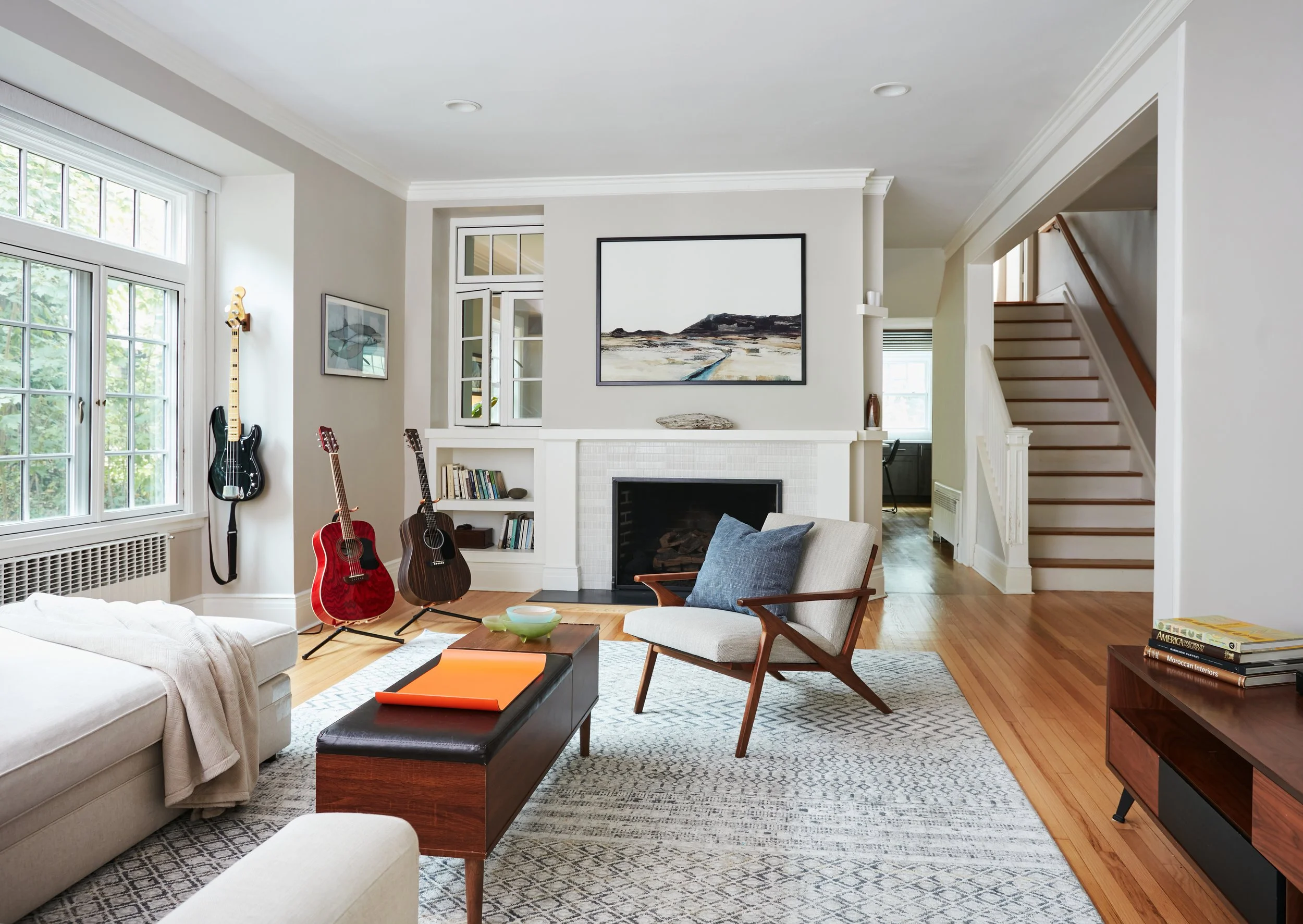
Defined areas with visual connections — no doors…but walls defining the spaces
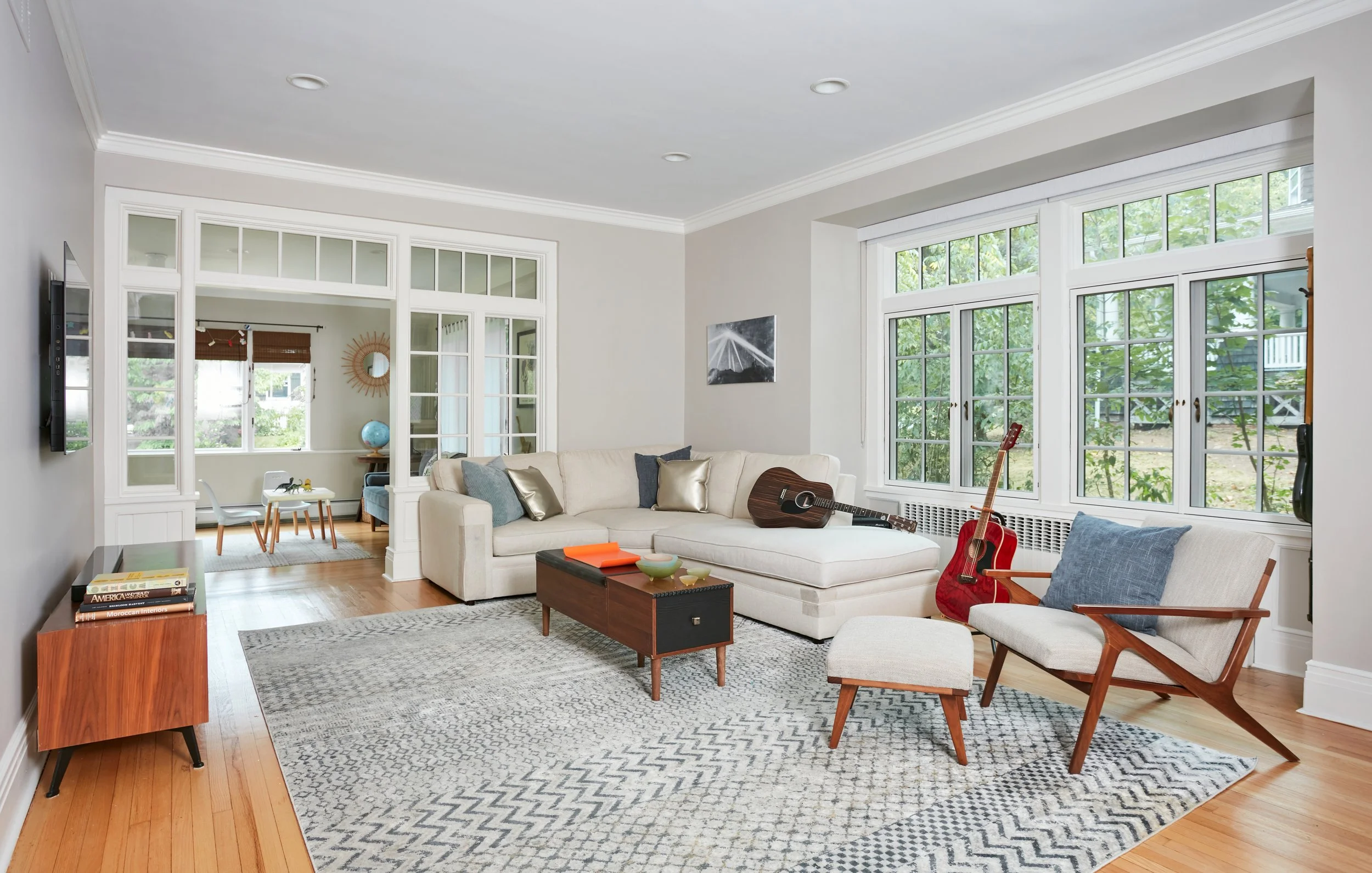
No doors …but partitions defining spaces.
And since how we live keeps changing, so will the walls around us.